How to Choose the Right Firearms Instructor Mentor in Florida (Tampa, Orlando, Lakeland)
Becoming a firearms instructor in Florida is not just about shooting skill. It is about accepting legal responsibility, instructional accountability, and professional risk for every student you train. The mentor you choose at the beginning of your career will shape your teaching ability, your legal exposure, and your long-term reputation.
If you are searching for a firearms instructor mentor Florida, you are already thinking like a professional. What many new instructors overlook is this: the wrong mentor can leave you legally exposed, technically incomplete, and unprepared to teach in real-world environments. That risk is not theoretical—it can follow you for years.
Whether you are based in Tampa, Orlando, or Lakeland, this guide explains how to choose the right mentor: one who builds your skills and protects your career through legally defensible training standards.
Why Choosing the Right Firearms Instructor Mentor in Florida Matters
Florida’s training landscape is crowded. Some instructors operate professionally, with policies, documentation, and legal compliance. Others operate informally, relying on a certificate and a social media page. The difference matters—because firearms instructors carry unique legal exposure tied to:
- Student behavior during training
- Student outcomes and competency
- Safety decisions made on the range
- Post-training incidents involving former students
A serious firearms instructor mentor Florida must prepare you for both sides of the job: instructional performance and legal protection. If a mentor does not teach both, they are not mentoring—they are simply supervising.
Florida Firearms Instructor Requirements: What You Actually Need to Understand
Florida does not rely on a single universal “firearms instructor license.” Instead, instructors often operate under a combination of training credentials and Florida regulatory frameworks that may include:
- Florida licensing pathways for armed security training (commonly tied to Chapter 493)
- Industry certifications (NRA, agency programs, recognized instructor tracks)
- Range authorization and operational policies
- Proper business formation and liability insurance
- Documented safety and training standards
This fragmented system creates a dangerous assumption: that anyone with a certificate is ready to instruct. A professional mentor will teach you how to operate legally and safely in Florida—not just how to teach a drill.
If you are researching firearms instructor training in Tampa, Orlando firearms instructor mentorship, or arms instructor training Lakeland, prioritize mentors who can explain the legal and operational structure behind their instruction.
The Three Legal Pillars Your Mentor Must Teach
1) Firearms Instructor Liability (Your Direct Responsibility)
Firearms instructor liability is your direct legal responsibility for what you teach, how you teach, and whom you teach. A mentor must prepare you to operate under a clear duty of care, including:
- Negligence standards and instructor responsibilities
- Safety enforcement and risk control on the range
- Competency evaluation (not just “participation”)
- Written documentation and record keeping
- Clear course policies and student conduct rules
If your mentor does not discuss liability, or dismisses it as “rare,” that is a red flag. Liability is not rare—it’s ignored until it becomes catastrophic.
2) Vicarious Liability in Firearms Training
Vicarious liability refers to situations where an instructor or training organization may be held responsible for outcomes tied to a student’s actions if the training provided is found negligent, incomplete, or reckless. Your mentor must teach you how to reduce exposure through:
- Proper screening and student assessment
- Documented competency standards
- Clear “no-go” thresholds and removal policies
- Evidence-based instruction and safe curriculum progression
This is especially important in high-demand areas like Tampa and Orlando, where new students often arrive with varying backgrounds, mixed skill levels, and unrealistic expectations.
3) Negligent Entrustment and Firearms Training
Negligent entrustment firearms training refers to training or certifying individuals you knew or should have known were unsafe, unstable, or unqualified. This concept can destroy an instructor’s career.
A qualified mentor will teach you how to:
- Identify behavioral red flags and unsafe patterns
- Document warnings, corrections, and removals
- Establish refusal procedures and written policies
- Protect yourself legally when a student should not continue
If a mentor has never discussed negligent entrustment, or claims it “doesn’t apply,” you are looking at a mentor who is behind the curve.
The Dual Nature of Effective Mentorship: Legal Knowledge + Teaching Excellence
Many instructors can shoot. Far fewer can teach—and even fewer can teach with legal protection built into every step. The right mentor develops you into an instructor who understands:
- Adult learning principles and skill progression
- Error diagnosis and performance correction
- How to build lesson plans and run a safe line
- How to structure drills that reinforce measurable outcomes
- How to document instruction to reduce legal exposure
In other words: mentorship should produce instructors who can teach safely, consistently, and defensibly—whether working in Lakeland, teaching private students in Tampa, or supporting high-volume training in Orlando.
Why Mentors Who Teach by Example Create Better Instructors
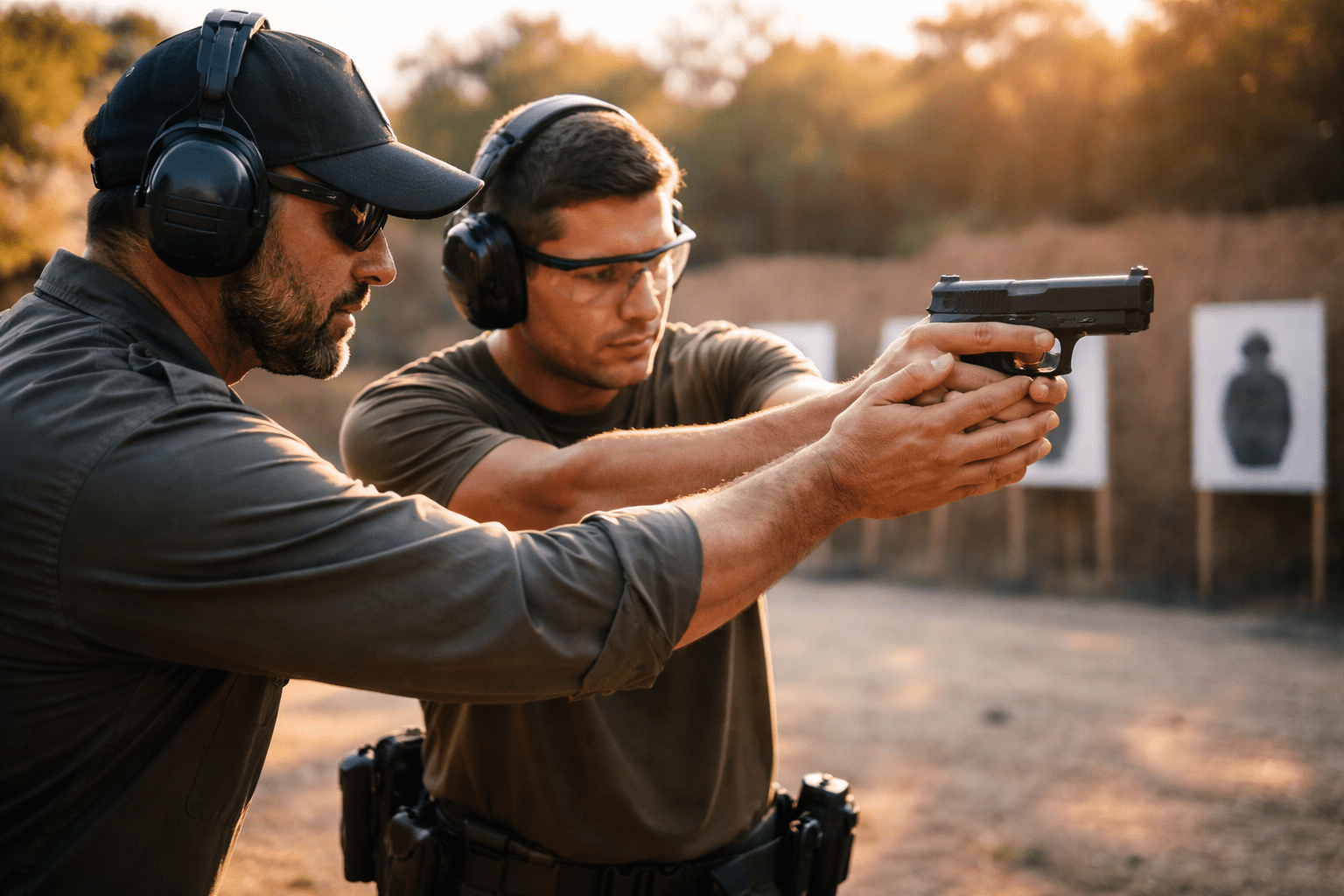
Your mentor’s behavior becomes your blueprint. A serious mentor demonstrates what “professional standard” looks like in every class, including:
- Written policies and consistent enforcement
- Clear safety procedures without exception
- Structured briefings and debriefings
- Accurate documentation and student records
- Humility, professionalism, and controlled instruction under pressure
If your mentor cuts corners, you will learn to cut corners. And if you cut corners in this industry, you eventually pay for it—legally, financially, or both.
The Long-Term Career Cost of Choosing the Wrong Mentor
Bad mentorship doesn’t just slow your progress—it creates real professional risk. Common long-term outcomes include:
- Civil lawsuits tied to training negligence
- Loss of insurance coverage due to poor documentation or unsafe practices
- Range bans and loss of training venues
- Reputation damage in the Florida firearms community
- Burnout from constantly fixing avoidable problems
Most instructors who fail don’t fail because they lack passion. They fail because they were never trained to operate professionally.
How to Vet a Firearms Instructor Mentor in Tampa, Orlando, or Lakeland
Before committing to a mentorship, ask questions that reveal whether the mentor is building professionals—or building followers.
Questions to Ask Your Mentor
- Does he/she has a valid firearms instructor license or a certificate? (license tops certificate any day at court)
- How do you manage and document student safety violations?
- What is your policy for removing unsafe or unstable students?
- How do you teach legal use-of-force concepts in a defensible way?
- Do you address instructor liability, vicarious liability, and negligent entrustment?
- How do you evaluate student competency (not just attendance)?
What to Look for When Observing a Class
- Clear range commands and consistent supervision
- Structured lesson flow and measurable drills
- Real corrections, not vague encouragement
- Written standards and safety expectations
- Professional demeanor and control of the training environment
If you are searching for choosing firearms instructor mentor guidance in Florida, these observations will tell you more than any marketing post ever will.
Authority Resources and Internal Linking Opportunities
To strengthen your legal and professional foundation, prioritize mentors who can reference and teach from authoritative frameworks. Useful sources include:
- Florida Statutes (firearms and lawful carry sections)
- Florida security licensing standards (commonly tied to instructor pathways)
- Documented instructor policies and published training standards
Next Steps: Choose Mentorship That Protects Your Future
If you are serious about becoming a professional firearms instructor in Florida, do not choose mentorship based on price, convenience, or ego. Choose a mentor who builds instructors with:
- Legally defensible training practices
- Strong teaching methodology
- Documented standards and accountability
- Professional discipline and real-world readiness
Your mentor will influence every student you train. Your mentor’s standards will shape your legal exposure. Choose the mentor who makes your career stronger—not riskier.
Call to Action
If you are pursuing firearms instructor development and want mentorship rooted in professionalism, accountability, and legal awareness, begin with a structured academy that operates in Florida with serious standards.
Explore upcoming courses and instructor-focused training:
https://valortec.corsizio.com
Learn more about Valortec’s training programs and Florida presence:
https://valortec.com
Train like a professional. Teach like a professional. Protect your future.