

A qualification score doesn’t make an effective instructor. This 40-hour, five-day school trains LE firearms instructors to demonstrate, diagnose, coach and evaluate, built around The Science of Marksmanship.
Law Enforcement
Advanced Firearms Instructor Development
Led by Herfel "Boots" Torres, Master Instructor and author of The Science of Marksmanship
Beyond Qualification
Qualification tests set a baseline. Instructor development goes further: why does a shooter struggle, what’s the right correction, and did it actually hold?
This program covers duty-handgun proficiency, human performance, shooter diagnostics, measurable evaluations, safe range management and teach-back methodology, combining human-performance concepts and adult learning with duty-handgun coaching.
Our position
A certificate of attendance isn’t proof someone can teach. Passing standards and any credential are set for each class. This program doesn’t claim FDLE/CJSTC or NRA credential equivalency.
Four Pillars of the Method
01
Biomechanics & Weapon Control
How alignment, grip and movement affect performance, with objective observation and responsible corrections.
02
Motor Learning & Visual Processing
Visual attention, motor learning, feedback, progression and skill retention applied to instruction.
03
Measurable Performance & Evaluation
Defined standards that separate recurring problems from one-off errors and track real progress.
04
Instructor Methodology & Range Leadership
Clear explanations, demonstrations, coaching, lesson plans, documentation and consistent range safety.
What Candidates Work Toward
- Demonstrate duty-handgun fundamentals to published standards
- Recognize and explain common shooter-performance problems
- Deliver the right coaching and remedial-training plans
- Run firing lines, safety briefings and relays
- Build defensible lesson plans, progressions and training records
- Brief, demonstrate, teach and evaluate under supervision
- Tell minimum qualification apart from sustained professional performance
Training is intensive and results vary. Attending doesn’t guarantee you’ll meet evaluation requirements.
Equipment
- Duty handgun or approved equivalent, duty holster/belt and 4 to 6 magazines
- Eye and ear protection plus range safety gear
- Notetaking materials, weather gear, water and basic cleaning supplies
- About 1,800 to 2,500 rounds, depending on assessment and remediation
- For planning only. Each class listing sets its own requirements.
Instructor Faculty

Herfel "Boots" Torres
COO, Master Instructor and author of The Science of Marksmanship
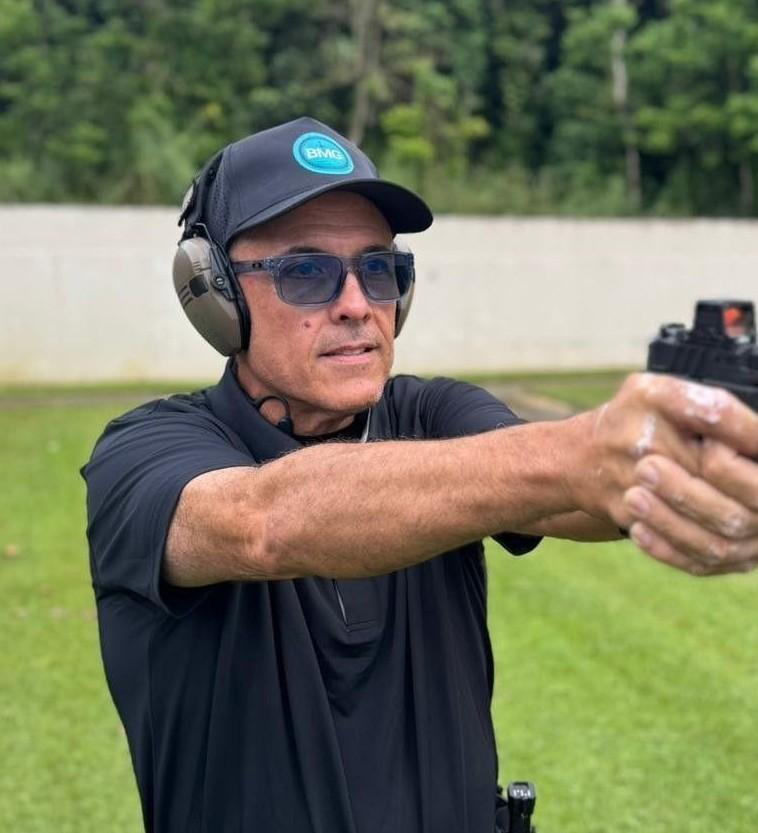
Domingo "Sunday" Perez
Firearms Education Specialist
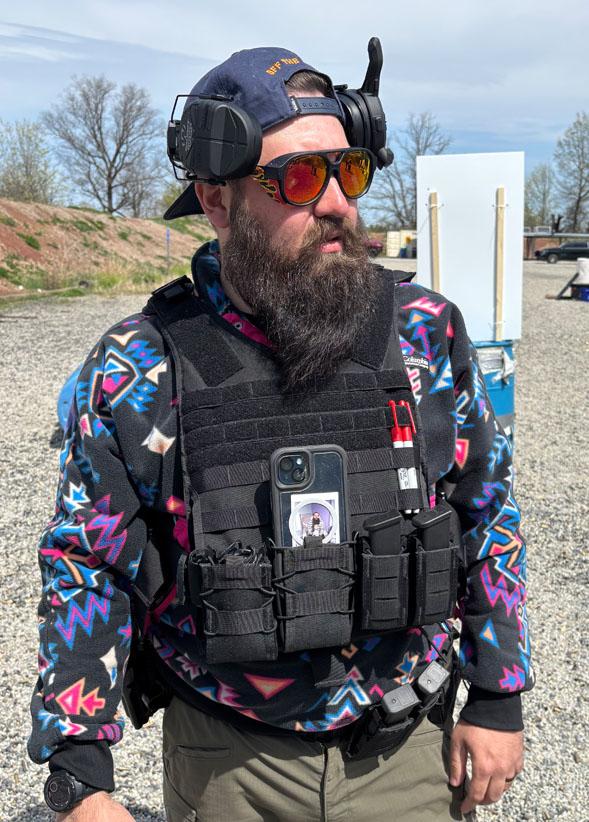
Okan Dikiz
Chief LE Firearms Instructor
Frequently Asked Questions
Is the program 40 hours or five days?
Both. It’s a five-day, roughly 40-hour in-person school with hands-on instructional and performance evaluations. Each confirmed class includes the daily schedule.
Do participants automatically receive instructor certification?
No. It’s a competency-based program with defined performance and teaching assessments. Completion requirements are set for each class, and it doesn’t grant FDLE/CJSTC, NRA, state licensing or instructor authority on its own.
Who may enroll?
The last session was open to active law enforcement and licensed LE firearms instructors. Agency nominees, former officers, military applicants and others should ask us to confirm eligibility.
Where are classes held?
The September 2026 school was held in Lakeland, Florida. Future locations are confirmed when a new session is published.
What’s the tuition and what do I bring?
The last class was $2,997. Tuition, ammunition, equipment, lodging, cancellation terms and prerequisites are confirmed with each new event or agency proposal.
Can our agency arrange dedicated instructor development?
Yes. Training coordinators can request a proposal covering schedule, group size, lesson objectives, location and instructor-development needs.
Build the Instructor
Your agency doesn’t need another attendance certificate. It needs instructors who can explain performance, coach well and evaluate consistently.