Iran, Homeland Risk, and the Urgent Need for Real Preparedness on U.S. Soil
The current Iran-linked threat picture is not a license for panic—and it is not a reason for complacency.
It is a clear signal that the United States must treat preparedness as a professional standard across law enforcement,
private security, businesses, and houses of worship.
Contents
- What changed—and what did not
- Why the real risk is hybrid
- What this changes for law enforcement
- What this changes for security officers and businesses
- Houses of worship: the soft-target reality
- Responsible citizens: preparedness without fantasy
- If use of force is part of your route
- Preparedness checklist you can execute now
- Sources
What changed—and what did not
As of early 2026, escalating tensions involving Iran have expanded the homeland security conversation in the United States.
The most credible framing is not “mass infiltration” or cinematic invasion models. The more realistic concern is a
heightened environment for targeted violence, lone-actor incidents, intimidation, hostile surveillance, and cyber disruption.
Federal public guidance and reporting about the current threat environment consistently emphasizes vigilance, coordination,
and resilience rather than speculation or rumor.[1][2][3][4]
Preparedness built on rumors produces the wrong priorities, the wrong training, and the wrong outcomes.
Preparedness built on credible threat models produces calm execution and lawful, defensible decisions.
Why the real risk is hybrid
Modern homeland risk is rarely one event with one “clean” signal. It is layered. It can start as online agitation, move into
hostile surveillance of a soft target, escalate to probing access points, then surface as a cyber disruption, threat calls,
swatting, bomb threats, or a lone-actor attempt to create maximum fear at minimum cost.
Likely stress points
- Soft targets (venues, houses of worship, public gatherings)
- Threat calls, hoaxes, swatting, intimidation
- Suspicious activity patterns (probing, repeat surveillance)
- Cyber disruption affecting cameras, access control, communications
What resilience looks like
- Clear incident decision trees (lockdown, evacuate, shelter)
- Disciplined communications and escalation
- Defined perimeters and controlled access
- Training that integrates judgment, movement, and medical response
What this changes for law enforcement
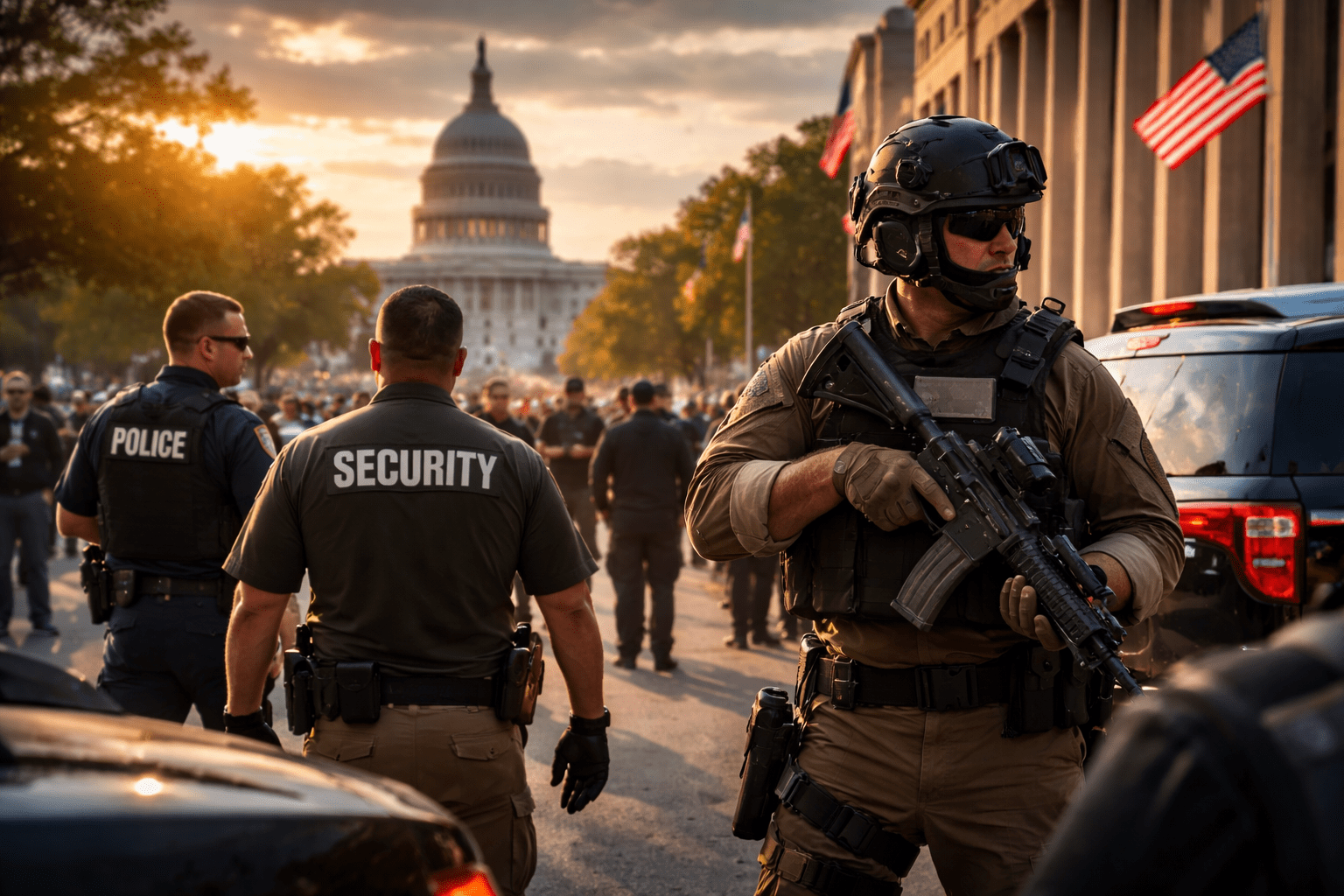
In a heightened threat environment, law enforcement’s role becomes more protective, more intelligence-led, and more integrated
with local partners. Patrol, supervisors, and command staff must be prepared for fast transitions from normal operations to
protective presence, incident management, and rapid stabilization.
The operational focus shifts toward recognizing pre-incident indicators, maintaining situational awareness at high-traffic
locations, coordinating with relevant task forces and fusion centers, and strengthening response plans for public venues and
community institutions.[1][2]
What this changes for security officers and businesses
Private security and organizational preparedness can no longer be treated as “appearance management.” A uniform without
detection ability and a plan is not security. A camera system without procedures, retention, and response is not a program.
A policy binder without training is not readiness.
CISA guidance emphasizes practical measures for venues, including security awareness, screening considerations, preparedness,
and incident response planning—especially for places where people gather.[5]
Where training matters most is the moment decisions must be lawful, fast, and defensible.
If your preparedness route includes the lawful use of force—whether you are a responsible citizen, a security officer,
or law enforcement—competence must extend beyond static range performance. Valortec training is designed to develop
disciplined decision-making, safe execution, and real-world readiness under pressure.
Houses of worship: the soft-target reality
Houses of worship remain highly consequential soft targets because they are open by nature and symbolic by identity.
The solution is not to turn faith communities into fortresses. The solution is to implement structured, respectful security
fundamentals that protect congregants while preserving the mission of the organization.
CISA provides dedicated guidance for protecting houses of worship, including self-assessment and security planning resources
based on years of attack analysis and protective best practices.[6]
Minimum standards for a serious house-of-worship security posture
- Defined security leadership and a clear incident decision tree
- Trained greeters/ushers who know what to observe and how to report it
- Controlled access to children’s areas and back-of-house areas
- Medical readiness (trauma kits) and trained responders
- Coordination and relationship with local law enforcement
Responsible citizens: preparedness without fantasy
Responsible civilians support community safety through awareness, preparation, and disciplined reporting—not improvisation.
DHS “See Something, Say Something” guidance is clear: suspicious behavior can indicate pre-operational activity, and early
reporting matters.[7]
The prepared citizen builds family plans, understands lawful options, develops medical capability, and avoids the trap of
confusing equipment ownership with decision competence.
If use of force is part of your route
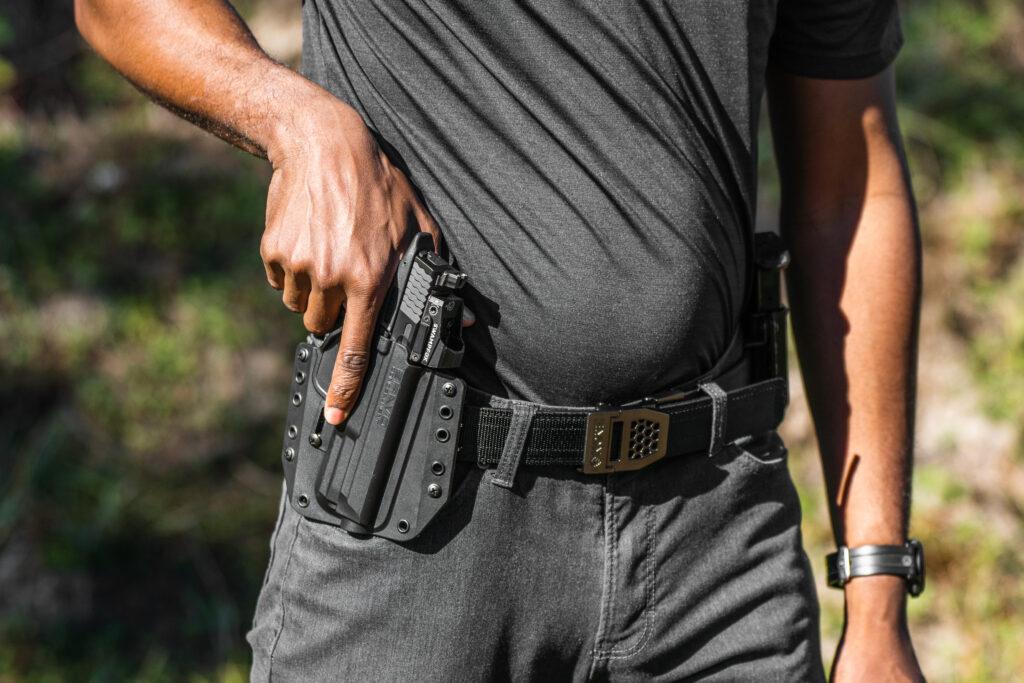
If the lawful use of force is part of your preparedness route, training must go far beyond marksmanship. The real-world
problem is not simply “can you hit.” The real-world problem is: can you decide correctly under stress, in public, with
incomplete information, and still remain lawful and defensible afterward.
Judgment without pressure-tested training is fragile. Preparedness demands both.
That is why credible preparedness programs integrate: situational awareness, lawful decision-making, safe movement, low-light
considerations, communications, and medical response alongside shooting fundamentals. The current environment rewards restraint,
clarity, and discipline—not bravado.
Preparedness checklist you can execute now
Law enforcement
- Review soft-target and public-venue response plans
- Reinforce suspicious activity recognition and reporting channels
- Ensure comms discipline, command roles, and medical response capability
- Train decision-making under stress, not only qualification standards
Security officers & organizations
- Audit access control, camera coverage, and incident escalation steps
- Train staff on hostile surveillance indicators and perimeter awareness
- Run tabletop drills for threats, hoaxes, lockdown, evacuation
- Harden cyber basics that affect physical systems (MFA, patching, backups)
Houses of worship
- Assign security leadership and create a unified response plan
- Control children’s area access and define “restricted” zones
- Train greeters/ushers to detect and report suspicious activity
- Build medical readiness and coordinate with local law enforcement
Responsible citizens
- Build family plans (communications, routes, rally points)
- Improve awareness habits and reporting discipline
- Prioritize medical training and trauma kit availability
- If armed: train judgment and lawful decision-making under stress
Preparedness on U.S. soil is a standard—train like it.
If you are a responsible citizen, security officer, or law enforcement professional who recognizes that lawful, defensible
performance requires more than square-range repetition, Valortec training offers a structured path to build capability with
discipline, accountability, and real-world relevance.
Sources
- DHS National Terrorism Advisory System (NTAS) bulletin (June 22, 2025):
DHS NTAS Bulletin - DHS Homeland Threat Assessment (2025), PDF:
DHS 2025 HTA - CISA & partners alert urging vigilance amid geopolitical environment (June 30, 2025):
CISA Alert - FBI overview: The Iran Threat:
FBI Iran Threat - CISA Venue Guide for Security Enhancements (public venues), PDF:
CISA Venue Guide - CISA Protecting Houses of Worship:
CISA Houses of Worship - DHS “If You See Something, Say Something”:
DHS See Something
Disclaimer: This content is for general educational and preparedness awareness purposes only. It is not legal advice.
Always follow applicable federal, state, and local laws, and consult qualified counsel for jurisdiction-specific guidance.