If you’re aspiring to become an armed security guard in Florida, it’s crucial to understand the specific requirements and steps involved. This guide explains Florida Class D and Class G licensing, required firearms instruction, annual requalification, and the difference between holding a license and being authorized to work as armed security. Verify eligibility and current forms with the Florida Department of Agriculture and Consumer Services (FDACS).
Eligibility and Basic Requirements
- Age and Legal Status: FDACS requires Class G applicants to be at least 18 and to meet its U.S. citizenship or lawful permanent-resident eligibility rules. Check the requirements for each license category separately.
- Background Screening: FDACS evaluates criminal history and other statutory eligibility factors. An application requires accurate disclosures and the background-screening process specified by the agency.
- Statutory Eligibility: Review the official FDACS licensing application and applicable disqualifying conditions. A broad label or a medical history alone should not be presented as an automatic determination of eligibility.
Training and Education
- Class “D” Security Officer Training: Enroll in a state-approved security officer training program. This typically involves a 40-hour course covering basic security techniques, legal aspects of security work, and emergency response procedures.
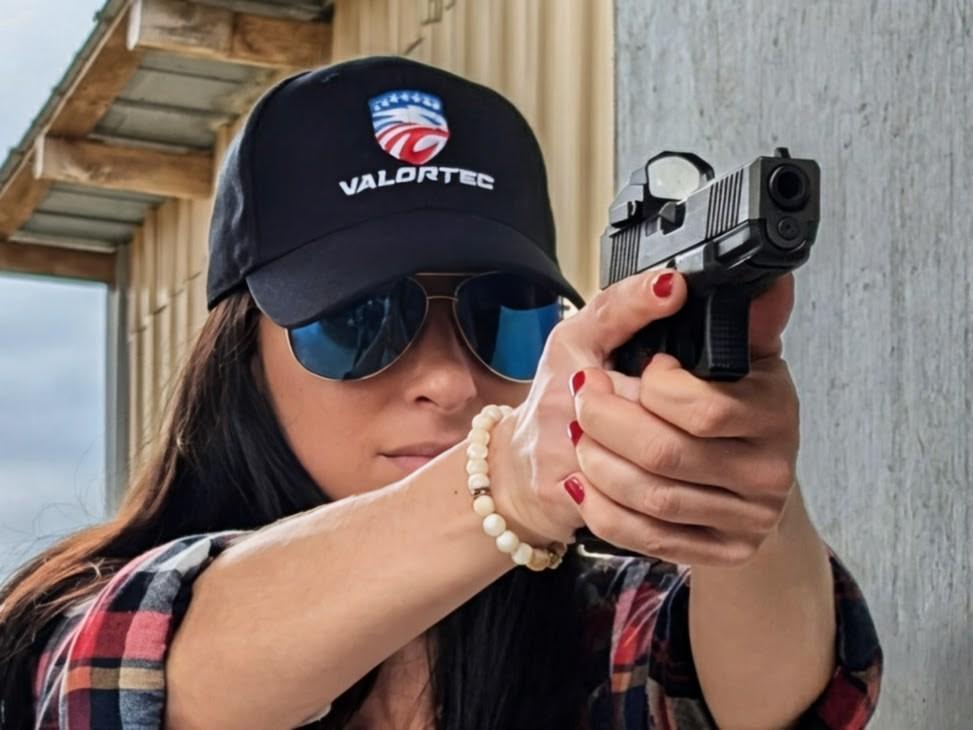
- Class “G” Firearms Training: For the armed security guard license (Class “G”), complete a 28-hour state-approved firearms training course. The curriculum includes legal education, firearm mechanics, operational safety, and practical shooting exercises.
Application Process for Class “D” Security Officer License
- Submitting an Application: Apply through the Florida Division of Licensing. The application should include your personal details, employment history, and a recent photograph.
- Fingerprinting for Background Checks: Submit fingerprints electronically for a state and federal background check.
- Fee Payment: Pay the necessary application fees as part of the licensing process.
Acquiring Class “G” Statewide Firearm License
- Class D and Class G Work Together: Armed security officers performing duties under a Class D license also need a valid Class G Statewide Firearm License. FDACS identifies other regulated occupational license categories that may qualify for Class G; a Class G license alone does not authorize an individual to perform armed security duties.
- Proof of Firearms Training: Provide documentation confirming your completion of the required firearms training.
- Additional Background Check: Undergo another background check, similar to the Class “D” application process.
- Firearms Proficiency Demonstration: Successfully complete the firearms proficiency component of the training.
Maintaining and Renewing Your License
- Ongoing Training: Annually complete 4 hours of firearms requalification training for Class “G” license holders.
- License Renewal: Both Class “D” and Class “G” licenses must be renewed biennially, involving continued training proof and fee payment.
Key Points to Consider
- Insurance Requirements: Florida Statutes section 493.6110 specifies at least $300,000 in commercial general liability coverage for a Class B security agency license. This is an agency licensing requirement, not a blanket personal insurance requirement for every guard.
- Legal Knowledge: Stay updated on state and federal laws governing the use of force and armed security work.
- Physical Fitness: While not officially mandated, good physical condition is essential for the demands of security work.
Tips for Aspiring Security Guards
- Thorough Preparation: Engage deeply in both the theoretical and practical aspects of your training.
- Build Networks: Connect with established security professionals and agencies for insights and job opportunities.
- Uphold Professionalism: Consistently demonstrate professionalism, as it significantly affects career prospects in security.
- Stay Informed: Regularly update yourself on legal changes, technological advancements, and industry best practices.
Conclusion
Embarking on a career as an armed security guard in Florida requires commitment, compliance with legal and training mandates, and dedication to safety and professionalism. The licensing process demands careful documentation, current legal knowledge, and competent instruction—not shortcuts.
Official Florida Licensing Sources and Next Steps
Start with FDACS Class G Statewide Firearm License Requirements for initial training, eligibility, applications, and the four-hour annual requalification requirement. The initial Class G course generally comprises 28 hours of instruction; the annual requalification is a separate requirement for current licensees. Review all current exceptions, documentation rules, and renewal deadlines with FDACS.
Considering a career in armed security? Review Valortec’s Florida Class G training course. Already licensed and approaching annual requalification? Explore Class G requalification in North Port, serving Sarasota and Fort Myers.
About the author: This guide is published by Valortec Training Academy, with instructor perspective from Herfel “Boots” Torres. See our editorial policy. This article is general information, not a substitute for current FDACS instructions or individual legal advice.