Low-Profile Travel Security: 21 Lawful Tactics for Moving Smarter, Safer, and Harder to Target
Most people travel like victims waiting to be selected.
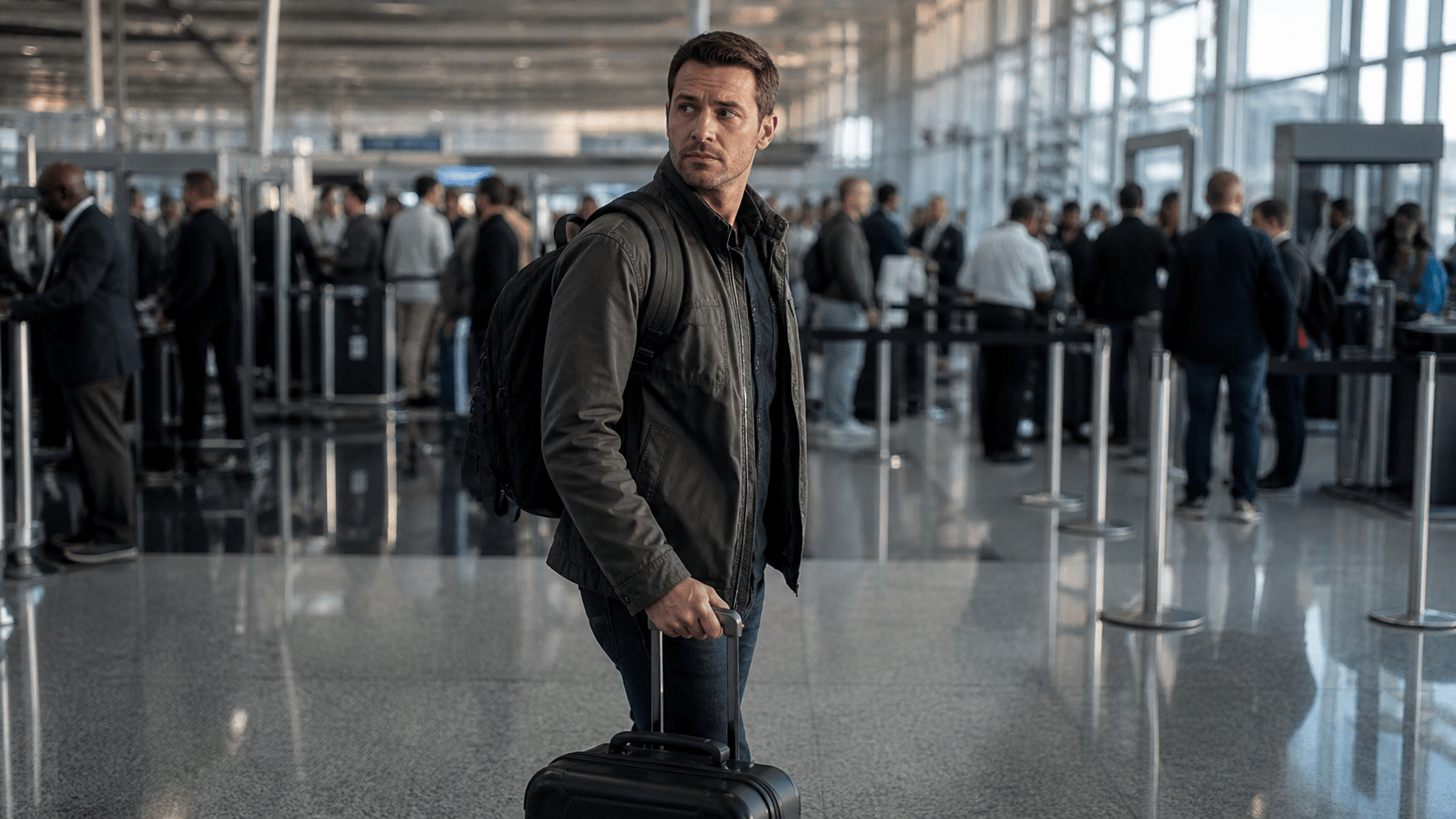
Phone out. Earbuds in. Wallet exposed. Passport unsecured. Bags open. Head down. Location posted online in real time. No route awareness. No emergency plan. No understanding of the environment.
That is not travel.
That is exposure.
Low-profile travel is not about paranoia. It is not about pretending to be a covert operative. It is not about fake identities, illegal behavior, or playing games with law enforcement, customs, airlines, or foreign governments.
Low-profile travel is about discipline.
It is about reducing unnecessary attention, protecting your information, understanding your environment, preserving mobility, and avoiding the behaviors that make criminals notice you.
At Valortec, we teach a simple principle across firearms training, defensive readiness, and personal security:
You do not rise to the occasion. You fall to your level of preparation.
That principle applies at the airport. It applies in hotels. It applies in parking garages, rideshares, restaurants, gas stations, tourist areas, conference centers, and unfamiliar cities.
Predators do not need you to be weak forever.
They only need you distracted once.
Low Profile Is Not Criminal Evasion
Let’s draw the line immediately.
Low-profile travel means traveling lawfully while reducing unnecessary exposure. It means being aware, prepared, organized, and difficult to exploit.
It does not mean lying to authorities.
It does not mean using fake documents.
It does not mean evading customs requirements.
It does not mean violating weapons laws.
It does not mean ignoring immigration, airline, hotel, or local regulations.
A serious traveler does not ask, “How do I get away with something?”
A serious traveler asks, “How do I avoid creating a problem in the first place?”
That is the difference between fantasy and discipline.
21 Low-Profile Travel Security Tactics
1. Research the Threat Environment Before You Travel
Most people research restaurants before they research risk.
That is backwards.
Before traveling, research the destination’s crime patterns, political climate, protest activity, transportation risks, common scams, local laws, medical infrastructure, and emergency services.
For international travel, review U.S. Department of State travel advisories and country-specific safety information. These advisories can identify risks such as crime, terrorism, civil unrest, kidnapping, health concerns, or natural disaster concerns.
Do not arrive blind.
Arrive briefed.
2. Enroll in STEP for International Travel
For U.S. citizens traveling overseas, the Smart Traveler Enrollment Program, commonly known as STEP, allows the U.S. embassy or consulate to send important safety alerts and contact you during an emergency.
That matters.
If a protest turns violent, if a natural disaster hits, if transportation collapses, or if a security situation changes, you do not want to learn about it after the crowd is already panicking.
Prepared travelers build information channels before they need them.
3. Build a Travel Document Protection Plan
Your passport, visa, driver’s license, prescriptions, travel insurance, emergency contacts, and medical information are not “paperwork.”
They are your recovery system.
Make digital and physical copies of critical documents. Keep copies separate from the originals. Leave another copy with a trusted person at home. Protect digital copies with strong passwords and secure storage.
If losing one bag can destroy your entire trip, your system is weak.
Redundancy is not overkill.
Redundancy is survival planning.
4. Dress to Blend, Not Impress
Your clothing should match the environment.
Not flashy.
Not tactical.
Not expensive-looking.
Not covered in political, military, firearms, or provocative branding.
Not screaming “tourist.”
Not screaming “I have money.”
Not screaming “I am trying to look dangerous.”
The goal is simple:
Be forgettable.
Criminals look for contrast. Expensive watches. Exposed electronics. Luxury bags. Tactical backpacks covered in patches. Obvious tourist clothing. Nervous body language. Overloaded luggage.
Low-profile travel is not a costume.
It is environmental alignment.
5. Control Your Digital Exposure
Your phone is not just a phone.
It is your bank, map, camera, password vault, contact list, email account, photo archive, location tracker, and personal surveillance device.
Before traveling, update your devices. Remove unnecessary apps. Use strong authentication. Disable auto-join for public Wi-Fi. Limit Bluetooth when not needed. Avoid carrying sensitive files that are not required for the trip.
A disciplined traveler does not carry more digital exposure than necessary.
Your device should help you move.
It should not become the weak point that compromises you.
6. Treat Public Wi-Fi Like a Risk Environment
Public Wi-Fi is convenient.
Convenient does not mean secure.
Avoid banking, sensitive business activity, confidential client work, or important account logins on networks you do not control. Verify secure connections before entering personal information. Do not assume that a network is safe because it has a hotel, airport, or café name attached to it.
In travel security, convenience is where discipline goes to die.
7. Stop Posting Your Location in Real Time
Real-time posting is one of the most common self-inflicted security failures.
Airport gate. Hotel lobby. Rental car. Restaurant. Room view. Conference badge. Vacation schedule. Family location. Training destination.
People post their own targeting package and call it content.
Post later.
Not live.
Criminals, stalkers, scammers, hostile competitors, and opportunists do not need sophisticated intelligence tools when travelers voluntarily publish their movement patterns.
Attention is not worth exposure.
8. Travel Light Enough to Move
If your luggage controls your movement, you are not mobile.
You are cargo.
Pack light enough to move quickly, change routes, climb stairs, enter and exit transportation, and leave a location without delay. Keep essentials accessible. Keep critical items under control. Avoid creating a luggage system so complicated that you become slow, distracted, and vulnerable.
Mobility is security.
The more you carry, the more decisions you lose.
9. Separate Your Money Sources
Do not keep all cash, cards, and identification in one place.
Carry a small amount of accessible cash for routine use. Keep emergency cash separate. Use one primary card and one backup card stored separately. Avoid exposing large amounts of money in public.
For international travel, understand currency reporting requirements. In the United States, travelers entering or leaving the country must report currency or monetary instruments over $10,000.
Low profile does not mean hiding unlawful activity.
Low profile means managing exposure legally and intelligently.
10. Strip Old Travel Identifiers From Your Bags
Old airline tags, barcode labels, conference badges, hotel stickers, destination tags, and exposed name cards leak information.
Remove them.
Your luggage should not tell strangers where you came from, where you are going, what company you work for, what event you attended, or whether you are traveling alone.
A bag should help you move.
It should not advertise your life.
11. Know the Local Emergency Number
Do not assume every country uses 911.
Before traveling, identify the local emergency number, nearest hospital, nearest embassy or consulate, hotel address in the local language, and reliable transportation options.
Store this information offline.
A crisis is not the time to discover your phone has no signal, your map will not load, and nobody nearby understands what you are asking for.
Preparedness must exist before panic.
12. Study Local Behavior and Etiquette
Blending in is not only about clothing.
It is about behavior.
How loudly do people speak? How do they stand in line? How do they pay? How do they greet each other? How much eye contact is normal? How do locals carry bags? What behavior marks someone as foreign, wealthy, intoxicated, aggressive, or vulnerable?
A person who ignores local norms becomes memorable.
Memorable is not always dangerous.
But it is never low profile.
13. Use Route Awareness Without Acting Paranoid
You do not need to act like you are in a spy movie.
You need basic route awareness.
Know your primary route. Know an alternate route. Avoid isolated shortcuts in unfamiliar areas. Avoid walking distracted. Identify public, staffed, well-lit locations you can enter if something feels wrong.
The goal is not fantasy counter-surveillance.
The goal is avoiding isolation.
Isolation is where many problems begin.
14. Read the Room Before You Commit
Every environment has a pattern.
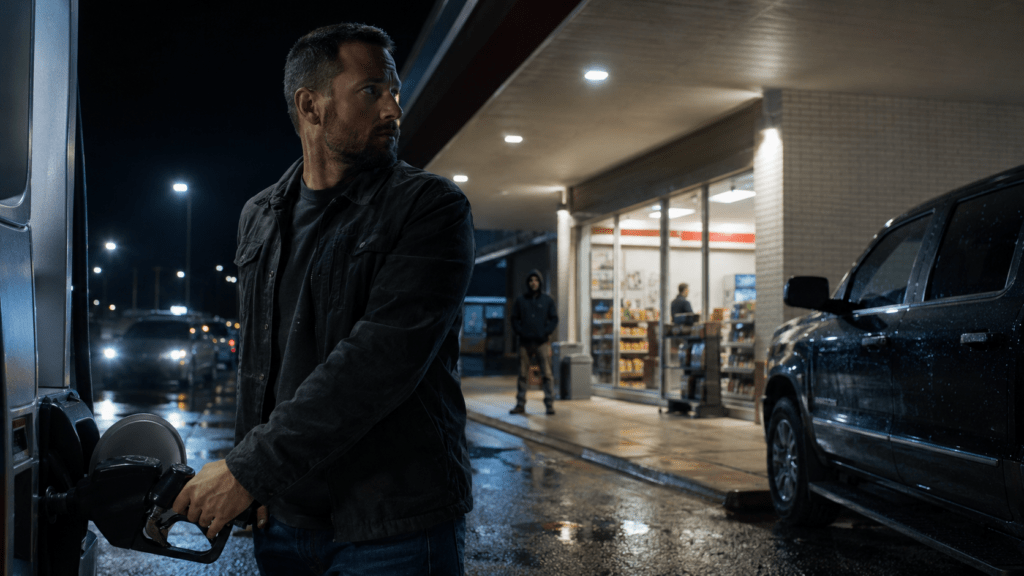
Restaurants. Hotel lobbies. Gas stations. Parking garages. Churches. Meeting rooms. Airports. Train stations. Rideshare pickup zones.
Before you mentally relax, observe.
Where are the exits?
Where is staff?
Where are the choke points?
Who is loitering?
Who is intoxicated?
Who is escalating?
Who is watching people instead of participating in the environment?
Who is scanning bags, phones, wallets, or body language?
This is not paranoia.
This is trained awareness.
15. Sit With Access to Information and Egress
Where you sit matters.
Do not bury yourself in a blind corner if better options exist. Do not place your back to uncontrolled movement when you can avoid it. Do not put your bag behind you. Do not leave your phone, passport, wallet, or room key exposed on a table.
You are not looking for trouble.
You are preserving options.
Options matter when a situation changes fast.
16. Harden Hotel Behavior
Hotels are not secure just because they have a front desk.
Do not announce your room number. Do not leave key cards exposed. Do not open the door without verifying who is there. Use the deadbolt and secondary lock. Identify stairwells and exits. Keep a small light accessible. Avoid assuming the room safe is a true vault.
Your hotel room is not your home.
Treat it as temporary lodging inside a public-access environment.
Because that is exactly what it is.
17. Control Alcohol, Nightlife, and New Social Contacts
Many travelers are victimized because they make themselves easy to manage.
Alcohol, drugs, flirtation, loneliness, ego, nightlife, and unfamiliar social settings can collapse judgment quickly.
Criminals know this.
Scammers know this.
Predators know this.
Do not leave drinks unattended. Do not go to secondary locations with strangers. Do not allow someone you just met to control your transportation. Do not unlock your phone for others. Do not assume charm equals safety.
You can be social without being careless.
18. Protect Your Passport Like Your Mobility Depends on It
Because it does.
Your passport is not just identification. It is your ability to move, check in, cross borders, recover from emergencies, and return home.
Do not casually carry it into nightlife, crowded tourist areas, unsecured beach bags, open backpacks, or unnecessary public exposure unless the situation requires it.
Carry what you need.
Protect what you cannot afford to lose.
19. Build a Communication Plan
Someone reliable should know your itinerary, lodging, transportation plan, and check-in expectations.
This matters even more when traveling alone, traveling internationally, attending high-profile events, training in unfamiliar areas, or visiting locations with higher crime or instability.
A communication plan does not make you weak.
It makes you recoverable.
If something goes wrong, the first question is not, “Are you tough?”
The first question is:
Does anyone know where to start looking?
20. Know the Law Before Traveling With a Firearm
For Valortec’s audience, this point is non-negotiable.
Responsible gun ownership does not stop at the airport, state line, hotel, rental car, training destination, or border.
If you travel with a firearm, know federal law, state law, local law, airline policy, TSA requirements, hotel policy, and destination restrictions.
TSA requires firearms transported by air to be unloaded, declared to the airline, locked in a hard-sided container, and transported only in checked baggage.
But that is only the transportation rule.
It does not automatically make possession legal where you are going.
A lawful armed citizen does not guess.
A lawful armed citizen verifies.
21. Debrief After the Trip
After travel, review what worked and what failed.
Were you overloaded?
Did you expose too much online?
Did you rely too heavily on one device?
Did your communication plan work?
Did you ignore early warning signs?
Did you enter locations without identifying exits?
Did you protect your documents properly?
Did your clothing or gear make you stand out?
Did you post information that should have waited?
Clean up responsibly after the trip. Remove old luggage tags. Shred unnecessary paper with personal information. Review account activity. Change passwords if you used questionable networks or devices. Back up important records.
The professional does not just complete the trip.
The professional learns from it.
The Real Point: Stop Advertising Vulnerability
The average traveler is not targeted because they are famous.
They are targeted because they are easy.
Easy to distract.
Easy to follow.
Easy to scam.
Easy to isolate.
Easy to read.
Easy to manipulate.
Easy to rob.
Easy to overwhelm.
Low-profile travel is not about fear.
It is about refusing to be careless.
It is about understanding that safety is not one app, one tool, one weapon, one clever trick, or one lucky decision. Safety is a system. It is built before the emergency. It is maintained through disciplined behavior. It is tested when the environment changes.
At Valortec, we do not teach people to live scared.
We teach people to live prepared.
Because when the moment comes, panic does not care about your intentions.
Only your preparation matters.
Train Often. Train Smart. Train Proudly.
References and Further Reading
- U.S. Department of State — Travel Advisories
https://travel.state.gov/content/travel/en/traveladvisories/traveladvisories.html - U.S. Department of State — Smart Traveler Enrollment Program
https://step.state.gov/ - U.S. Department of State — International Travel Checklist
https://travel.state.gov/content/travel/en/international-travel/before-you-go/travelers-checklist.html - U.S. Department of State — High-Risk Area Travel Guidance
https://travel.state.gov/content/travel/en/international-travel/before-you-go/high-risk-travelers.html - Overseas Security Advisory Council — Traveler Toolkit
https://www.osac.gov/ - Cybersecurity and Infrastructure Security Agency — Cybersecurity While Traveling
https://www.cisa.gov/ - Federal Trade Commission — Public Wi-Fi Safety Guidance
https://consumer.ftc.gov/ - Federal Communications Commission — Cybersecurity Tips for International Travelers
https://www.fcc.gov/ - U.S. Customs and Border Protection — Currency Reporting Requirements
https://www.cbp.gov/travel/international-visitors/kbyg/money - Transportation Security Administration — Transporting Firearms and Ammunition
https://www.tsa.gov/travel/transporting-firearms-and-ammunition