You Will Not Be Warmed Up for Your Next Gunfight
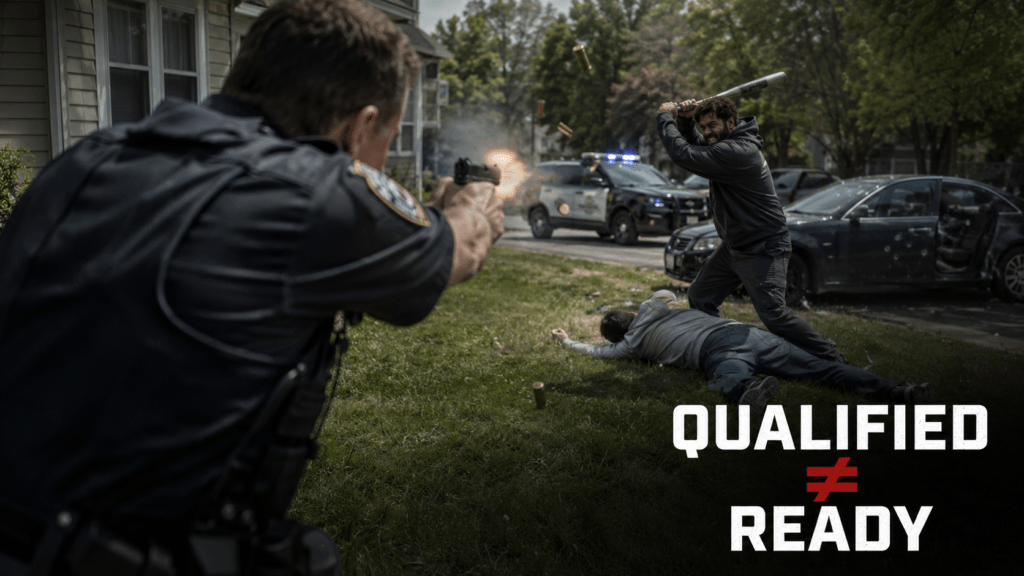
There is a 100 percent chance you will not be warmed up for your next gunfight. Nobody is going to give you ten practice rounds, a coaching session, and five minutes to find your rhythm before the threat starts shooting.
That is why every serious range day should begin with a cold qualification.
Not after stretching.
Not after confirming your sights.
Not after shooting a few comfortable drills to build confidence.
Cold means cold.
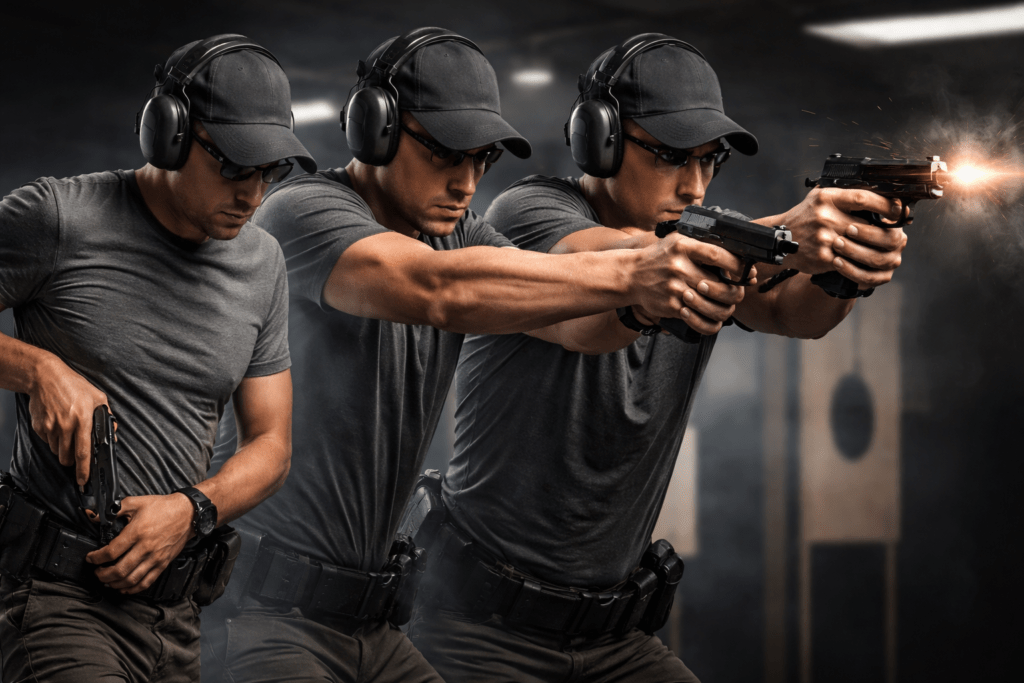
You arrive at the range, put on your equipment, receive the course of fire, and perform. Your first draw matters. Your first sight picture matters. Your first trigger press matters. The score you produce before warming up is the closest controlled measurement we have of the shooter who actually showed up that day.
And sometimes, that shooter is not nearly as capable as the warmed-up version pretending to be ready an hour later.
Warm-Up Rounds Hide the Truth
Warm-up rounds have a purpose. They help instructors diagnose problems, prepare the body, confirm equipment, and introduce the training objectives of the day.
But they should not come before the initial evaluation.
When shooters receive unlimited practice before qualification, the final score does not measure readiness. It measures how well they performed after being prepared for the test.
That is a major difference.
A shooter who needs 30 rounds to settle down, correct the grip, remember the fundamentals, and stop jerking the trigger is not immediately ready. That shooter may eventually produce an impressive target, but the target does not tell the complete story.
The cold qualification does.
It exposes hesitation.
It exposes poor equipment preparation.
It exposes inconsistent draws.
It exposes weak visual discipline.
It exposes the shooter who performs well only after receiving multiple attempts.
That may be uncomfortable, but training is not supposed to protect your feelings. It is supposed to identify weaknesses before those weaknesses become consequences.
Qualification Should Be a Diagnostic Tool
Too many organizations treat qualification as an administrative requirement.
Show up. Fire the course. Reach the minimum score. Sign the form. Go home.
That mentality creates certified shooters who may not be operationally prepared.
A qualification should not exist merely to prove that someone passed. It should provide measurable information about performance, consistency, decision-making, equipment readiness, and skill retention.
The cold qualification gives instructors a baseline.
From there, the training staff can compare the shooter’s initial performance against later drills and end-of-day evaluations. That comparison shows whether the training created genuine improvement or merely produced temporary familiarity with the course of fire.
Without a cold baseline, improvement becomes speculation.
The instructor may believe the class improved. The shooters may feel that they improved. The targets may look cleaner.
But where are the numbers?
What changed?
By how much?
Under what conditions?
Professional training should produce more than applause and photographs. It should produce evidence.
Your Skills Are Perishable
Firearms skills deteriorate when they are not consistently practiced.
Draw speed changes.
Grip pressure becomes inconsistent.
Visual processing slows down.
Trigger control becomes less disciplined.
Equipment placement changes.
Confidence often remains long after competence has started disappearing.
That is one of the most dangerous combinations on a range: high confidence supported by outdated ability.
A cold qualification exposes skill retention.
It answers a very simple question:
What can this shooter do right now, without assistance, preparation, rehearsal, or excuses?
That question matters far more than what the shooter accomplished six months ago during a heavily coached class.
The threat you face tomorrow will not care about your best score from last year.
The First Rounds Tell the Truth
In a violent confrontation, the first rounds may determine the outcome.
You will not be relaxed.
You may not be standing perfectly.
Your breathing may be irregular.
Your vision may narrow.
Your hands may not feel the way they did during a comfortable afternoon practice session.
You may have just stepped out of a vehicle, walked out of a restaurant, awakened from sleep, or turned a corner into a problem you never expected.
That is reality.
Yet many shooters evaluate themselves only after they have warmed up, rehearsed the movement, confirmed the distance, adjusted their equipment, and repeated the same drill several times.
Then they celebrate the final target as proof of readiness.
It is not proof of readiness.
It is proof that repetition improves performance.
We already knew that.
The real question is whether your initial performance is acceptable before repetition begins.
Cold Qualification Is Not Designed to Humiliate Anyone
Some shooters hate cold qualifications because cold qualifications remove their favorite excuses.
“The gun felt different.”
“My hands were stiff.”
“I did not have time to settle in.”
“My sights were not confirmed.”
“I normally shoot better than this.”
Maybe.
But the target records what happened, not what normally happens.
Cold qualification is not intended to embarrass shooters. It is intended to protect them from false confidence.
A poor cold performance should not become a public spectacle. It should become a training priority.
The responsible instructor does not use the score to ridicule the student. The instructor uses it to determine what must be corrected, strengthened, or rebuilt.
The responsible shooter does not argue with the target. The shooter studies it.
Minimum Scores Create Minimum Shooters
Another uncomfortable truth is that many qualification standards are not particularly demanding.
They are designed to establish a minimum administrative threshold, not elite performance.
Passing the minimum does not automatically mean the shooter is highly capable. It means the shooter met the minimum requirements of that specific course on that specific day.
Nothing more.
When an organization allows warm-up rounds before a minimum qualification, it may be measuring the shooter under the easiest possible conditions.
That creates attractive paperwork.
It does not necessarily create combat-ready personnel, responsible armed professionals, or competent defensive shooters.
A serious program should evaluate more than pass or fail.
It should examine accuracy, time, consistency, shot accountability, equipment manipulation, decision-making, and performance degradation under increasing complexity.
The cold qualification is where that evaluation begins.
Stop Training for the Certificate
The purpose of firearms training is not to help people look good on paper.
It is not to protect an instructor’s pass rate.
It is not to ensure that everyone leaves happy.
The purpose is to build people who can perform responsibly when performance matters.
That requires honesty.
Cold qualification is honest.
It shows the shooter before the coaching, before the repetitions, before the corrections, and before the confidence boost.
It reveals the actual starting point.
From that point, real training can begin.
Every professional range day should start with a cold evaluation and end with another measurable test. Compare the results. Track the improvement. Identify the remaining weaknesses. Build the next training session around the data.
That is instruction.
Everything else is ammunition consumption with motivational speeches.
Your next violent confrontation will not begin when you feel ready. It will begin when someone else decides it begins.
Train accordingly.
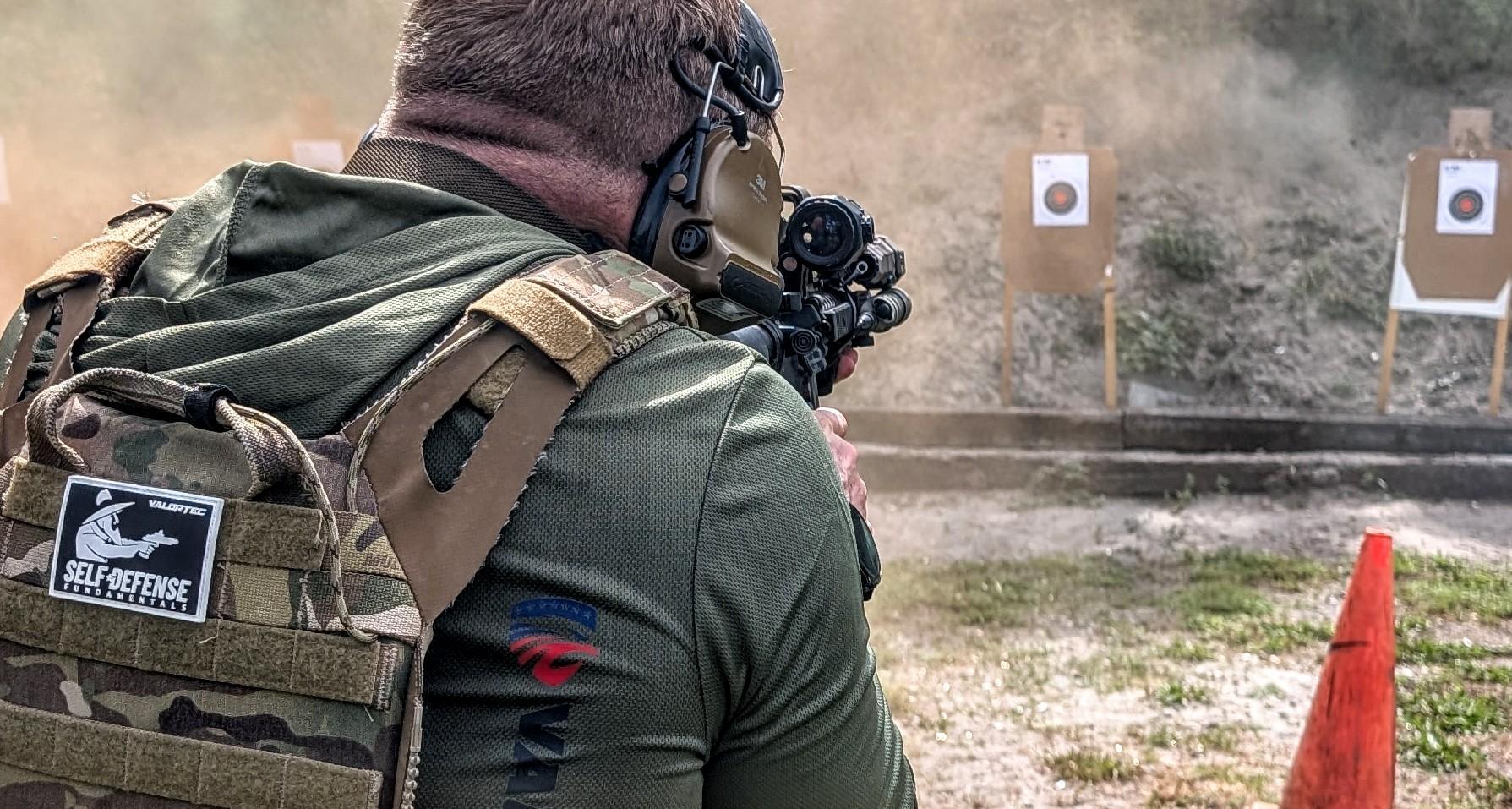
At Valortec, we do not train shooters to look prepared after warming up. We train them to understand their actual performance, correct their weaknesses, and become accountable for every round they may one day be forced to fire.